Giovanni Braca, Barbara Lastoria, Stefano Mariani, Francesca Piva, Robertino Tropeano
The maps of Standardized Precipitation-Evapotranspiration Index (SPEI) at 12 months provide a national and large-scale assessment of drought conditions and are obtained by analyzing the deviation of the hydrological variable hydro-climatic balance , consisting of the difference between precipitation and potential evapotranspiration, and its reference climatology.
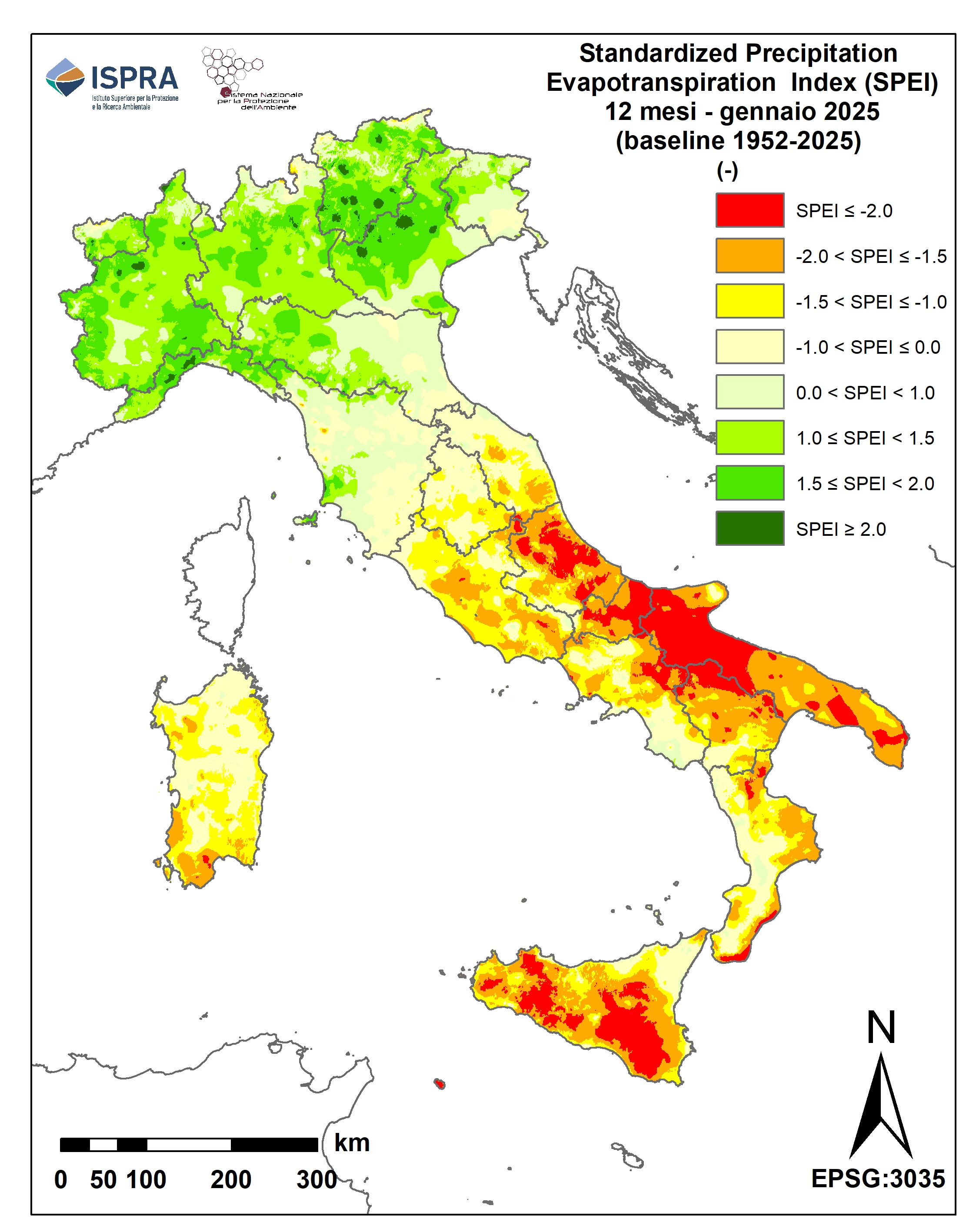
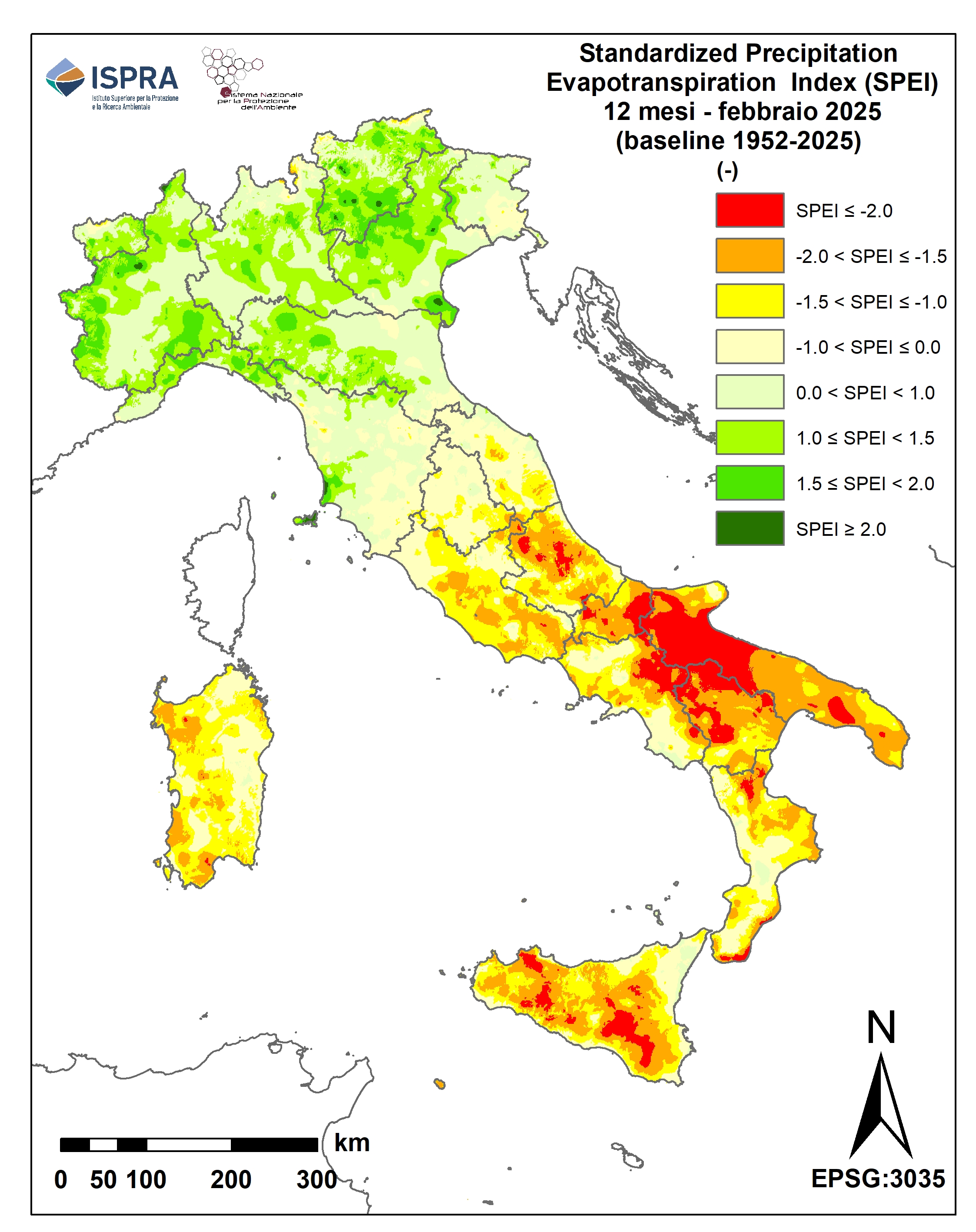
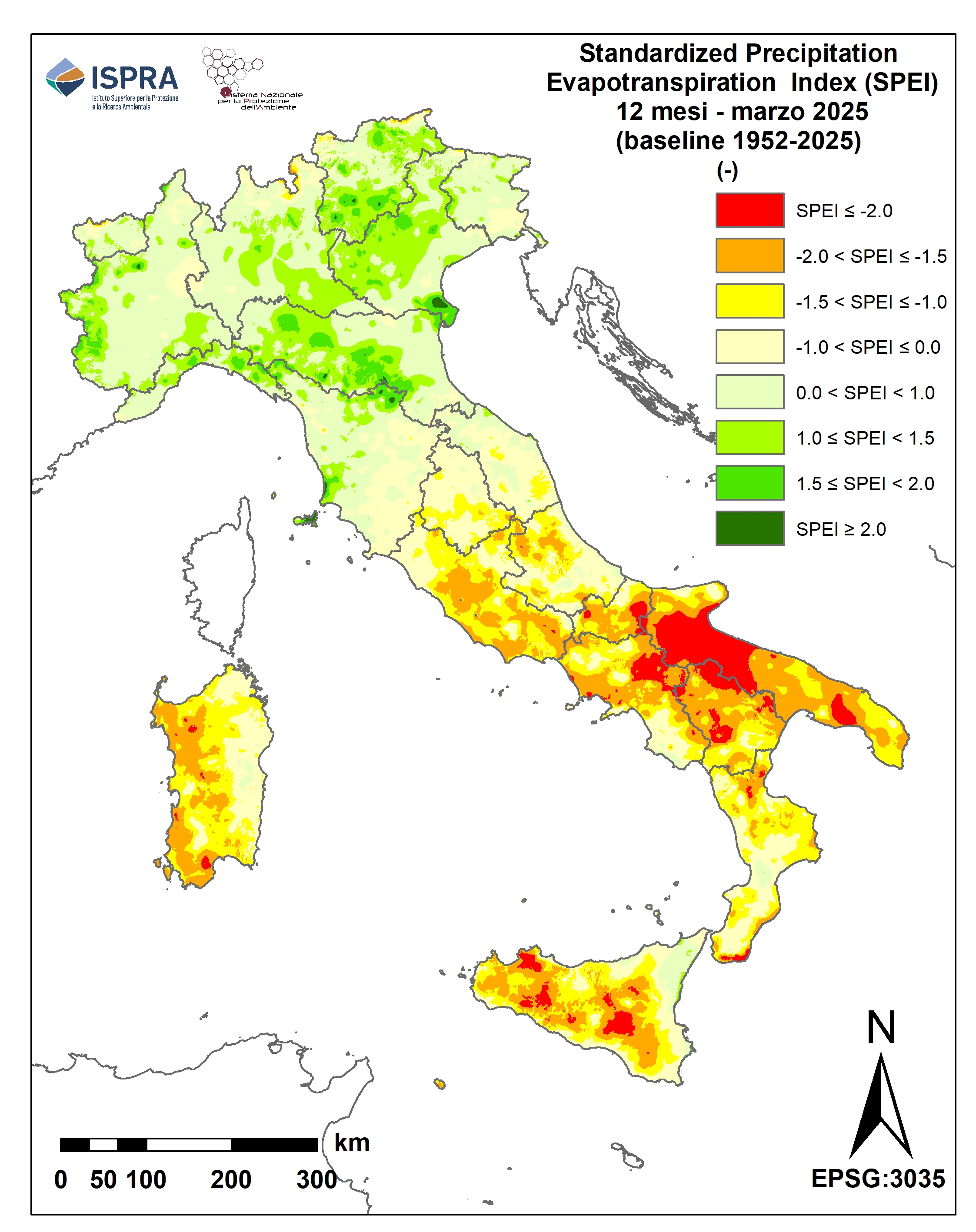
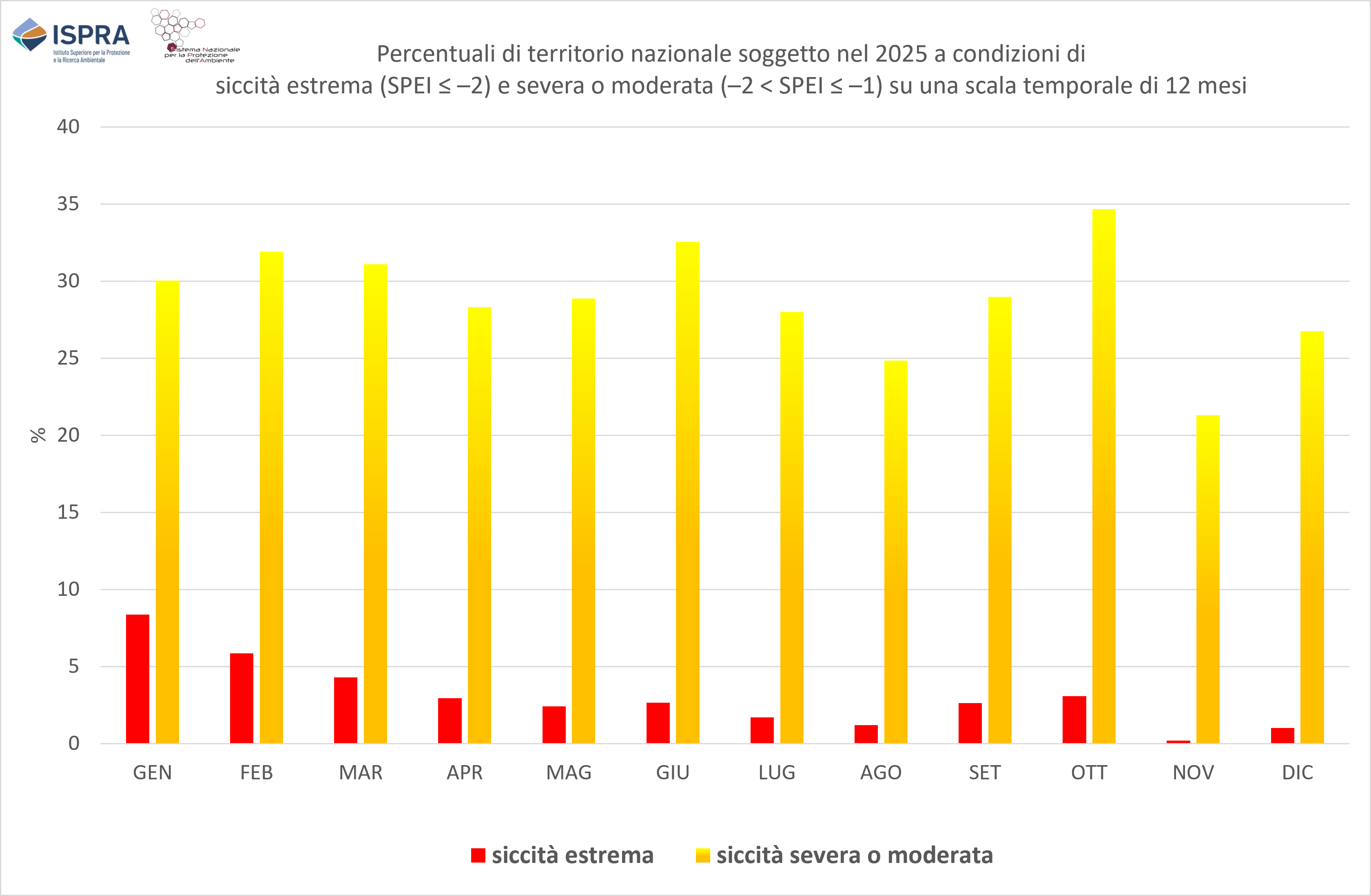
In 2025, the 12-month SPEI maps (SPEI12) show drought conditions, from extreme to moderate, for the territories of central Italy and for the South and the major islands, but with a more limited extension compared to the previous year. The months from January to March 2025 were those most characterized by extreme drought conditions on the 12-month time scale (SPEI12 ≤ –2.0), due to the precipitation deficit found in the second half of 2024, in particular on southern Italy on the Adriatic side. The maximum extension of the hydro-climatic balance deficit was reached in January, with 8.4% of the Italian territory affected by extreme drought, which continued to reduce over the course of the year. The maximum extent of areas characterized by severe or moderate drought on the 12-month time scale (–2.0 < SPEI12 ≤ –1.0) was detected in October with 34.7% while the minimum value was recorded in November with 21.3%.
The intensity and persistence of these conditions in 2025 had effects on the availability of water resources in different areas of Italy, consequently causing environmental and socio-economic impacts linked to the use of water.
Drought is a natural and temporary meteorological condition in which there is a significant reduction in precipitation compared to the climatic conditions of a specific place of interest. Therefore, it should not be confused with the phenomenon of aridity, a term which indicates a permanent natural climatic condition in which the low quantity of annual precipitation, associated with high temperatures, does not provide the soil with the necessary degree of humidity to promote the development of life.
There is no single definition of drought, although everyone agrees that drought is a temporary but frequent phenomenon, which can generate environmental, social and economic impacts. The phenomenon of drought presents different characteristics in the components of the hydrological cycle, which, in turn, produce different impacts on water systems, cultures and socio-economic and environmental systems. In relation to the effects produced, drought is generally classified into four categories:
- meteorological drought in case of relative scarcity of precipitation;
- hydrological drought in the presence of a relatively low water supply in the soil, in watercourses, or in aquifers;
- agricultural drought in the event of a deficit in soil water content which causes stress conditions in crop growth;
- socio-economic and environmental drought understood as the set of impacts that manifest themselves as an imbalance between the availability of the resource and the demand for economic activities, for social aspects and for the conservation of ecosystems.
The impact of drought on the environment is then linked to the severity and persistence of the dry conditions. A prolonged lack of rainfall for many months (6-12 months) will have effects on river flow; while for a longer period (one or two years) it will affect the availability of water in the aquifers.
The Standardized Precipitation-Evapotranspiration Index (SPEI) is one of the indices used nationally and internationally to quantify drought on a given time scale. Compared to Standardized Precipitation Index (SPI), which considers only precipitation in the calculation ( P ), the SPEI also takes into account potential evapotranspiration ( ET P or PET ) as the second element of the hydro-climatic balance (i. e., P – ET P ). Therefore, the SPEI index also includes the effect of the evapotranspiration component in the monitoring of drought events, the impact of which has become increasingly relevant with the increase in temperatures due to climate change. High rates of evapotranspiration due to high temperatures can significantly influence the processes of soil-atmosphere interaction and therefore the mechanisms of formation of surface runoff, as well as infiltration and consequent recharge to underground water bodies.
Positive values of the index highlight a hydro-climatic balance greater than the reference climatology, i. e. Humid conditions, while negative values indicate a hydro-climatic balance lower than the climatology, i. e. More or less extreme dry conditions. This index is often used at a regional and/or hydrographic district level for monitoring and identifying dry periods, making use of the rainfall and temperatures recorded by the regional rainfall networks and the autonomous provinces for its calculation. Furthermore, it has been included both in the European context (from " Water Scarcity & Drought ” Expert Group from the Common Implementation Strategy for the Water Framework Directive 2000/60/EC) and international (since World Meteorological Organization ) as one of the tools for drought monitoring. Last but not least, the SPEI indicator was also included in the national guidelines which identify the common set of indicators to be adopted in the permanent district observatories for water uses (established in 2016 as a plan measure pursuant to the Water Framework Directive 2000/60/EC and body of the District Basin Authorities pursuant to Legislative Decree 39/2023) in the monitoring activities of drought situations and water scarcity.
For each area under consideration, the calculation of the SPEI is based on the normalization of the probability distribution of the variable P ‒ ET P (hydro-climatic balance) aggregated over different time scales (e. g., 1, 3, 6, 12, 24 or 48 months). In doing so, regions characterized by different climatic regimes can be compared. For the purpose of a national and large-scale assessment of hydrological drought conditions, the 12-month SPEI maps are used, taking as precipitation and potential evapotranspiration data those on the regular 1 km resolution grid of the ISPRA BIGBANG hydrological balance model and as climatological reference the period 1952-2024 (reference baseline).
Quantify the drought conditions of a specific place in terms of statistical deviation of the hydro-climatic balance ( P – ET P ), aggregated at a given time scale, compared to the corresponding reference climatology. Being a normalized index, it allows regions characterized by different climatic regimes to be compared with each other. Consequently, regions with a drier climate and those with a wetter climate are monitored in the same way in a single thematic map.
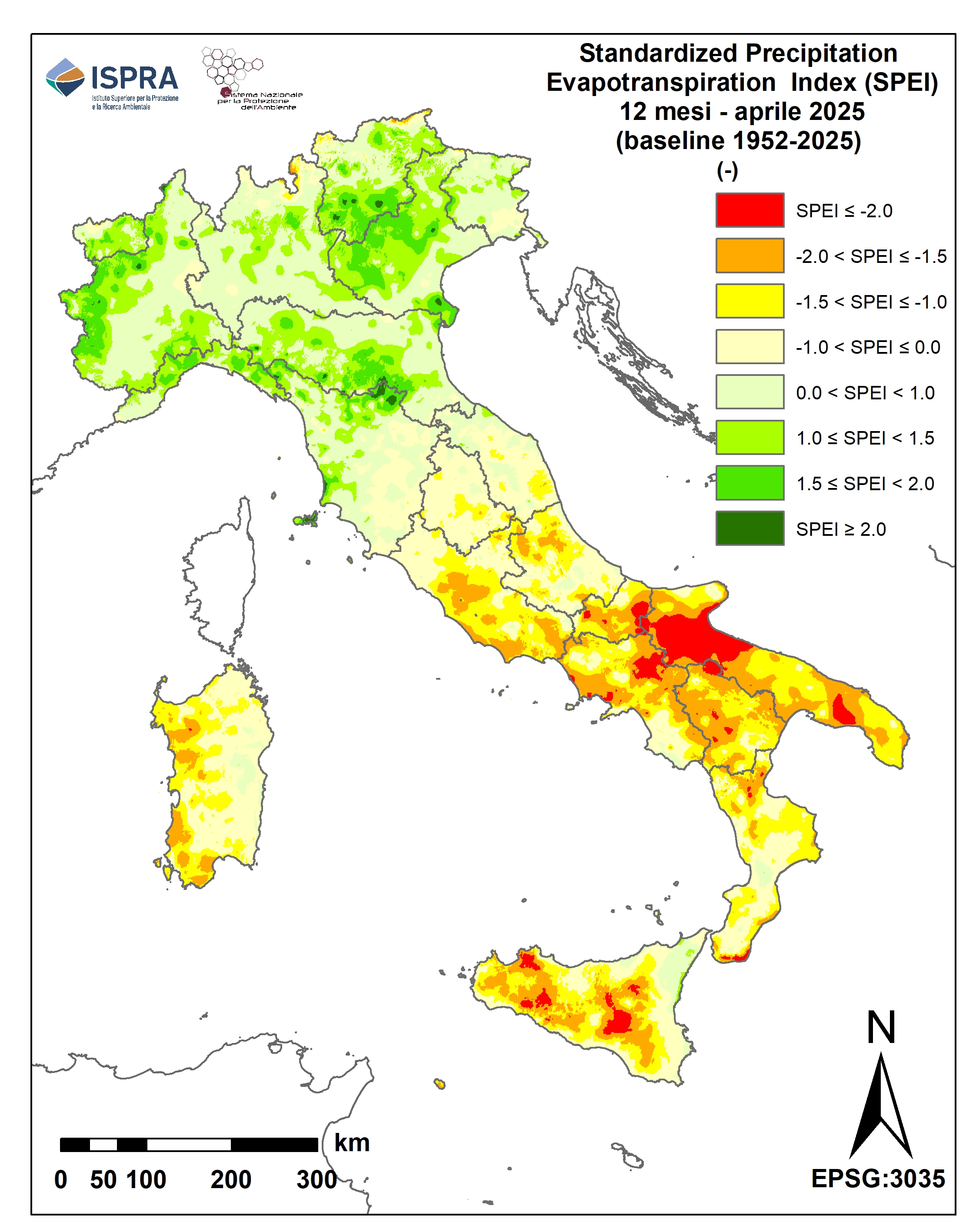
The severity levels of humidity and drought events in terms of SPEI, associated with the surplus and deficit of the hydro-climatic balance ( P – ET P ), adopted are those defined in the literature: SPEI ≥ 2.0 extreme humidity; 1.5 ≤ SPEI < 2.0 severe humidity; 1.0 ≤ SPEI < 1.5 moderate humidity; –1.0 < SPEI < 1.0 normal; –1.5 < SPEI ≤ –1.0 moderate drought; –2.0 < SPEI ≤ –1.5 severe drought; SPEI ≤ –2.0 extreme drought.
Current Italian legislation does not set specific environmental objectives for the SPEI index. Nonetheless, the SPEI included in the common set of indicators for the assessment of drought and water scarcity conditions conducted by the permanent district observatories for water uses. Please note that the Observatories, established in 2016 for each river basin district as a measure of the Water Management Plan, pursuant to the Water Framework Directive 2000/60/EC, are currently also the body of the relevant District Basin Authority, pursuant to:
- Legislative Decree no. 152/2006, containing “Regulations on environmental matters” (Official Journal General Series no. 88 of 14-04-2006 - Ordinary Supplement no. 96).
- D. L. N. 39/2023, containing "Urgent provisions to combat water scarcity and for the strengthening and adaptation of water infrastructure" (Official Journal General Series no. 88 of 04-14-2023), converted with amendments by Law no. 68/2023 (Official Journal General Series no. 136 of 13-06-2023), in which the establishment of permanent district observatories on water uses at the district basin authorities was established by a primary regulation.
- European Water Resilience Strategy, adopted by the European Commission on 4 June 2025.
- Ahmad, M. I., Sinclair, C. D., and Werritty, A., 1988: Log-logistic flood frequency analysis. J. Hydrol., 98, 205–224.
- Braca, G., Mariani, S., Lastoria, B., Piva, F., Archi, F., Botto, A., Casaioli, M., Forte, T., Marchetti, G., Peruzzi, C., Tropeano, R., Vendetti, C., and Bussettini, M., 2023: National hydrological balance: focus on drought and natural availability of renewable water resources. Update to 2022. Reports no. 388/2023, Rome https://www. isprambiente. gov. it/it/pubblicazioni/rapporti/bilancio-idrologico-nazionale-focus-su-siccita-e-disponibilita-naturale-della-risorsa-idrica-rinnovabile-formazione-al-2022.
- Braca, G., Bussettini, M., Lastoria, B., Mariani, S., and Piva, F., 2021: The Gis BAsed Hydrological Balance at National Scale on Regular Grid – BIGBANG: methodology and estimates. Report on the natural availability of water resources. Reports no. 339/21, Rome. Available online at: https://www. isprambiente. gov. it/it/pubblicazioni/rapporti/il-bilancio-idrologico-gis-based-a-scala-nazionale-su-griglia-regolare-bigbang .
- Edwards, D. C., and McKee, T. B., 1997: Characteristics of 20th century drought in the United States at multiple time scales. Climatology Rep. 97–2, Department of Atmospheric Science, Colorado State University, Fort Collins, Colorado, 155 pp.
- Mariani, S., Braca, G., Lastoria, B., Tropeano, R., Casaioli, M., Piva, F., and Bussettini, M., 2024: “The hydrological balance, the availability of water resources and the water balance”, in Drought, scarcity and water crises, Emanuele Romano, Ivan Portoghese (ed.), Habitat signa 1, 29-46. Rome: Cnr Editions. Available online at: https://www. cnr. it/sites/default/files/public/media/attivita/editoria/SiccitaInterattiva_ver2. pdf .
- Mariani, S., and AA. VV., 2020: Technical notes on water crises, drought and integrated water service – UTILITALIA Manual. ISBN: 978 88 998 7903 7.
- Mariani, S., Braca, G., Romano, E., Lastoria, B. And Bussettini, M., 2018: Guidelines on Drought and Water Scarcity Indicators to be used in the Activities of the Permanent Observatories for Water Use, CReIAMO PA project publication, 66 pp. Available online at: http://www. isprambiente. gov. it/pre_meteo/idro/Osservatori/Linee%20Guida%20Publicazione%20Finale%20L6WP1_con%20copertina_ec. pdf .
- McKee, T. B., Doesken, N. J., and Kleist, J., 1993: The relationship of drought frequency and duration of time scales. Eighth Conference on Applied Climatology, American Meteorological Society, Jan 17–23, 1993, Anaheim CA, pp. 179–186.
- Panofsky, H. A., and Brier, G. W., 1958: Some applications of statistics to meteorology. Pennsylvania State University, University Park, 224 pp.
- Thom, H. C. S., 1966: Some methods of climatological analysis. WMO No. 199. Technical Note No. 81., Geneva, 53 pp.
- Thornthwaite, C. W., 1948: An approach towards a rational classification of climate, Geogr. Rev., 38, 55–89.
- SNPA, 2026: The climate in Italy in 2025. forthcoming .
- Vicente-Serrano, S. M., Beguería, S., and López-Moreno, J. I., 2010: A Multiscalar Drought Index Sensitive to Global Warming: The Standardized Precipitation Evapotranspiration Index. J. Climate, 23, 1696–1718.
- WMO, 2016: Handbook of Drought Indicators and Indices, WMO-No. 1173, Geneva.
- WMO, 2012: Standardized Precipitation Index User Guide, WMO-No. 1090, Geneva.
- WMO, 2009: Experts agree on a universal drought index to cope with climate risks. Press Release No. 872.
Further references:
- ISPRA monthly drought bulletin, with links to the monthly hydrological and regional drought bulletins and to the EDO. Available online at: http://www. isprambiente. gov. it/pre_meteo/siccitas/index. html .
- SPI grid ASCII file database Standardized Precipitation Index and the SPEI- Standardized Precipitation Evapotranspiration Index , calculated on Italy from 1952 to 2025. Available online at: https://groupware. sinanet. isprambiente. it/bigbang-data/library/bigbang100/ascii_grid .
- SPI images Standardized Precipitation Index and the SPEI- Standardized Precipitation Evapotranspiration Index , calculated on Italy from 1952 to 2025. Available online at: https://groupware. sinanet. isprambiente. it/bigbang-data/library/bigbang100/figures/.
- Portal of "The state of water severity on a national scale", with links to the portals of the permanent district observatories for water uses. Available online at: https://www. isprambiente. gov. it/pre_meteo/idro/SeverIdrica. html .
- “Climate change impact indicators” database. Available online at: https://climadat. isprambiente. it/.
- News on the use of Sentinel-2 satellite data from the European Copernicus Program to quantify the impact of the 2022 drought on the constituent components (morphological macro-units "water", "vegetation" and "sediment") of the Po River. Available online at: https://www. isprambiente. gov. it/it/archivio/notizie-e-novita-normative/notizie-ispra/2022/08/monitoraggio-siccita-copernicus .
-
-
ISPRA
Regional hydro-meteorological services and those of the autonomous provinces
The precipitation and temperature data used are mainly those collected and published by the regional and provincial structures to which, based on art. 92 of Legislative Decree no. 112 of 31 March 1998, the functions and tasks of the peripheral offices of the National Hydrographic and Mareographic Service (SIMN, now merged into ISPRA) of the Department for National Technical Services were transferred. The precipitation data are collected directly from the regional structures and the autonomous provinces, while for the temperature the maps produced within the ISPRA SCIA system are used ( http://www. scia. isprambiente. it ). The precipitation, temperature and evapotranspiration data at the monthly scale on the regular BIGBANG grid of 1 km resolution, which covers the entire national territory, are available on the ISPRA Groupware portal ( https://groupware. sinanet. isprambiente. it/bigbang-data/library/bigbang100).
National
january–December 2025
The SPEI is a statistical indicator based on the comparison between the hydrological variable hydro-climate balance ( BIC ), observed (or estimated) in a given place and in a given period t of months (where t = 12 months in the indicator published here) with the long-term distribution of the same variable for that specific location aggregated for the same period of time t . The hydrological variable BIC is obtained as the difference between precipitation ( P ) and potential evapotranspiration ( ET P or PET ). In other words, if you want to calculate the 12-month SPEI at the end of June for a given year you will compare the variable BIC cumulated in the period from July of the previous year to June of the year in question with the long-term series of BIC cumulative over the July-June period observed in past years (its reference climatology).
Operationally, for each month under examination and for each cell of the grid, the monthly precipitation data spatialized on the 1 km grid of the BIGBANG model and the monthly estimates of potential evapotranspiration produced on the same grid by the BIGBANG model are considered. The calculation method used in BIGBANG for potential evapotranspiration for the month the -th is that of Thornthwaite:
ET P = 16 x bi x (10 T the / THE )^ to
where T the is the average monthly temperature and ( b the , THE , to ) are coefficients that depend only on the monthly temperature, the month of the year and the latitude.
Starting from the monthly series of P and ET P the series is defined X of the annual cumulations of the hydrological variable BIC = P – ET P (the analyzed random variable) which is interpolated with a 3-parameter Log Logistic distribution (LL3) which is transformed into a Standardized Normal distribution No (0.1). The three parameters of the LL3 distribution are estimated using the probability weighted moments (PWM) method.
The transformation preserves the cumulative probability, meaning the probability of the random variable X (the variable BIC cumulative over 12 months in the specific case) of being below a certain value in the LL3 distribution is equal to the probability of the normally distributed transformed variable being below the transform of that value.
Since the SPEI is distributed according to a normal probability function, it is possible to monitor both dry and wet periods. Negative values of SPEI correspond to drier periods compared to the climatology, i. e. They indicate a deficit in the hydro-climatic balance (drought), while positive values of SPEI correspond to wetter periods, i. e. They indicate a surplus in the hydro-climatic balance. The greater the distance from the climatology (i. e. From the reference regime), the greater the severity of the event. Furthermore, the normalization that is the basis of this index allows areas subject to different climatologies to be represented in the same way and on the same map.
During 2025, drought conditions, from extreme to moderate, continued to affect areas of the South and the major islands, although with smaller extensions than the previous year as well as, to a lesser extent, Central Italy. Humid conditions, i. e. Surplus precipitation compared to the average reference values, characterized Northern Italy.
On a 12-month time scale, the standardized hydro-climatic balance indicator highlighted over the course of the year, in terms of affected areas, a tendency towards a reduction in areas characterized by extreme drought situations (SPEI ≤ –2)
-
| Data |
|---|
Thumbnail
Headline
Figure 1: SPEI at 12 months - January 2025 Data source
ISPRA processing on data from regional hydro-meteorological offices and autonomous provinces and historical data from the SIMN suppressed Data legend
|
Thumbnail
Headline
Figure 2: SPEI at 12 month - February 2025 Data source
ISPRA processing on data from regional hydro-meteorological offices and autonomous provinces and historical data from the SIMN suppressed Data legend
|
Thumbnail
Headline
Figure 3: SPEI at 12 months - March 2025 Data source
ISPRA processing on data from regional hydro-meteorological offices and autonomous provinces and historical data from the SIMN suppressed Data legend
|
Thumbnail
Headline
Figure 4: SPEI at 12 months - April 2025 Data source
ISPRA processing on data from regional hydro-meteorological offices and autonomous provinces and historical data from the SIMN suppressed Data legend
|
Thumbnail
Headline
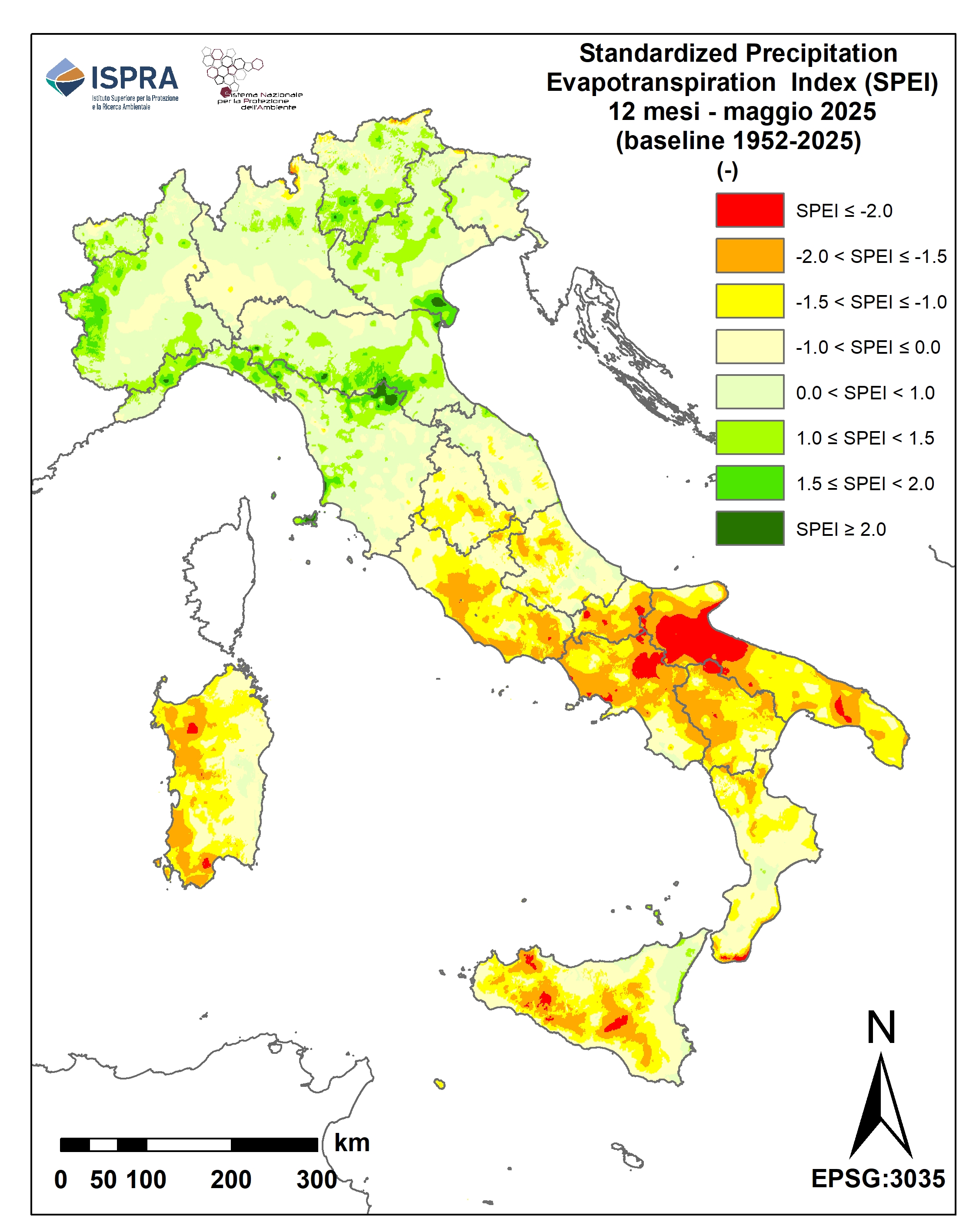
Figure 5: SPEI at 12 months - May 2025 Data source
ISPRA processing on data from regional hydro-meteorological offices and autonomous provinces and historical data from the SIMN suppressed Data legend
|
Thumbnail
Headline
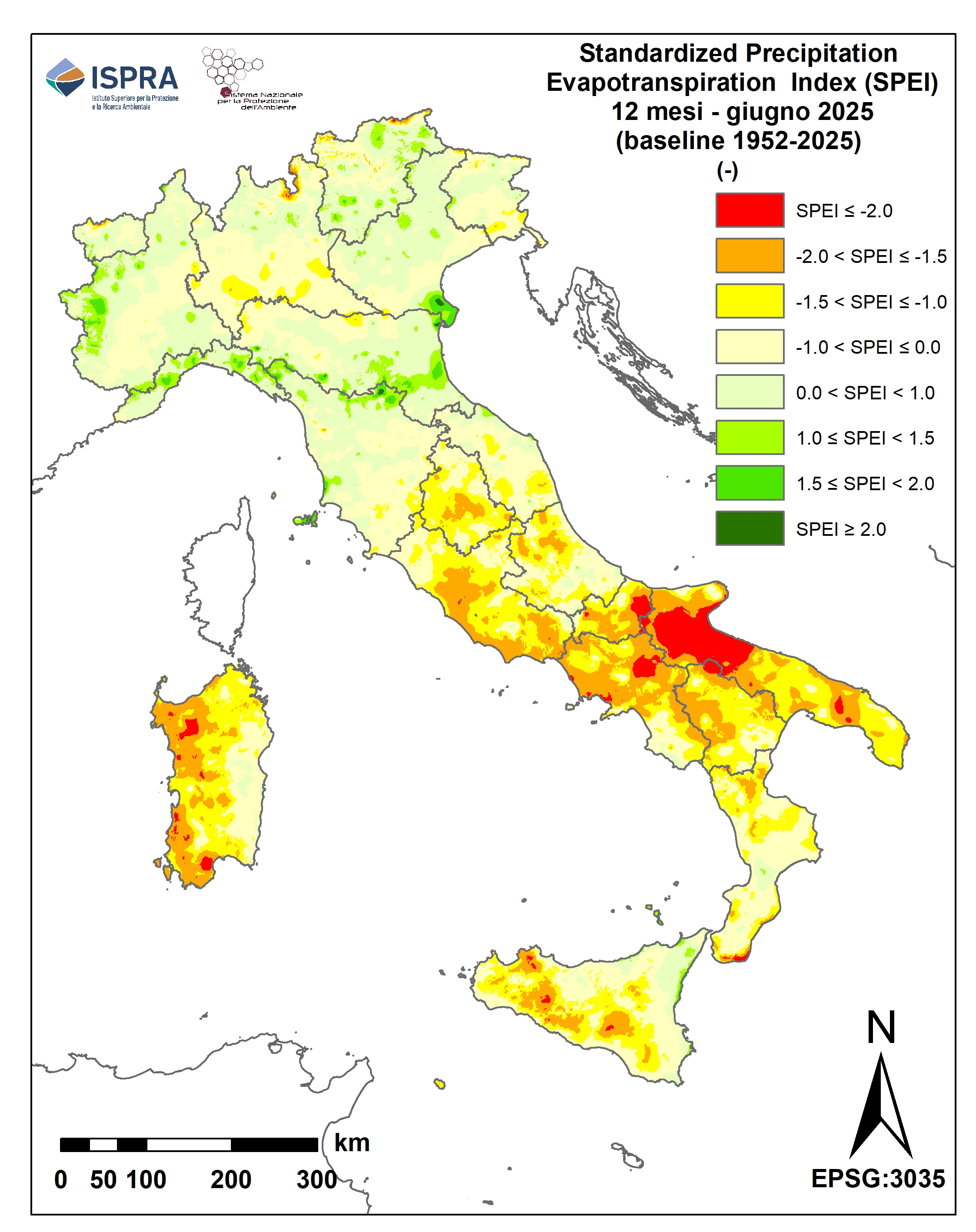
Figure 6: SPEI at 12 months - June 2025 Data source
ISPRA processing on data from regional hydro-meteorological offices and autonomous provinces and historical data from the SIMN suppressed Data legend
|
Thumbnail
Headline
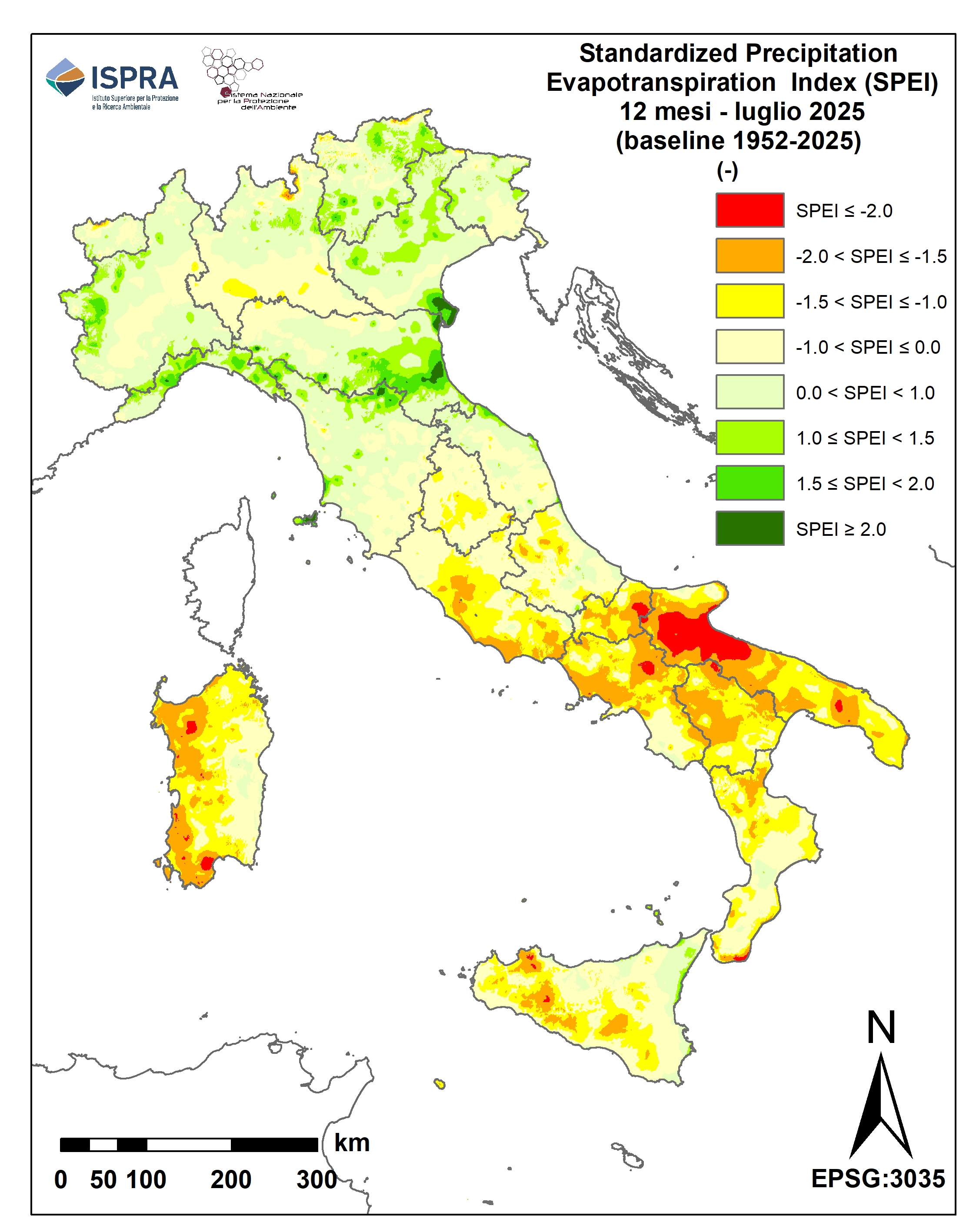
Figure 7: SPEI at 12 months - July 2025 Data source
ISPRA processing on data from regional hydro-meteorological offices and autonomous provinces and historical data from the SIMN suppressed Data legend
|
Thumbnail
Headline
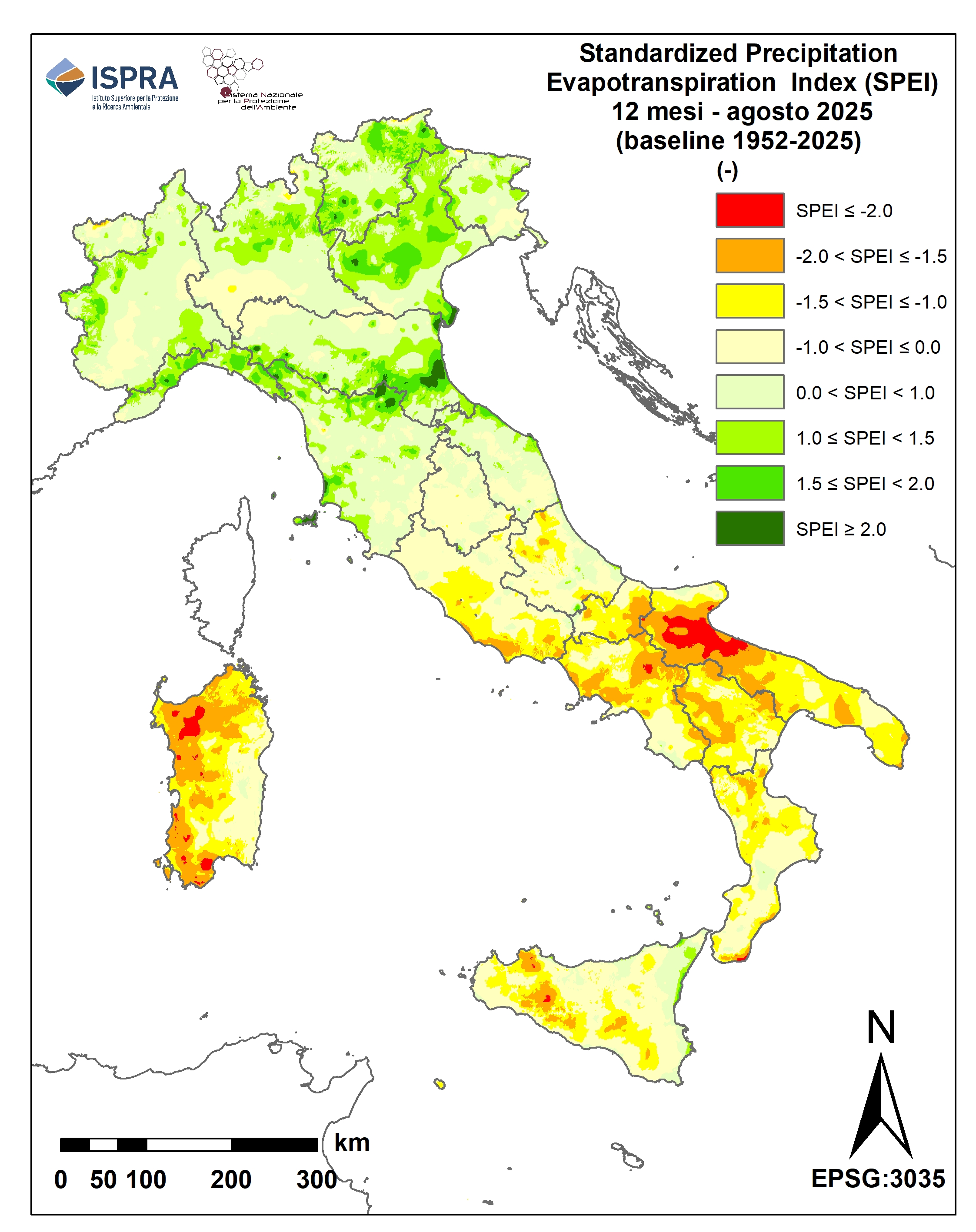
Figure 8: SPEI at 12 months - August 2025 Data source
ISPRA processing on data from regional hydro-meteorological offices and autonomous provinces and historical data from the SIMN suppressed Data legend
|
Thumbnail
Headline
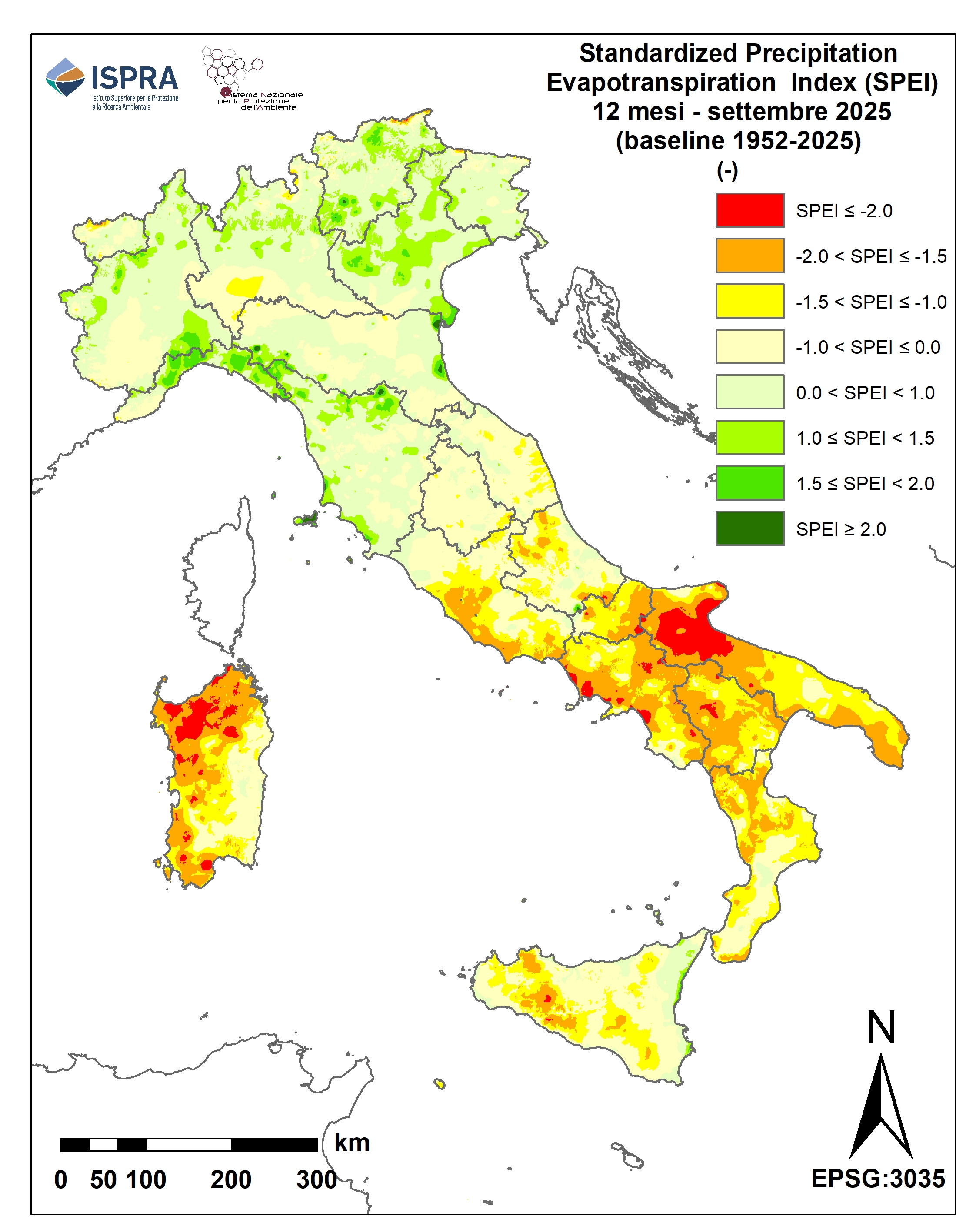
Figure 9: SPEI at 12 months - September 2025 Data source
ISPRA processing on data from regional hydro-meteorological offices and autonomous provinces and historical data from the SIMN suppressed Data legend
|
Thumbnail
Headline
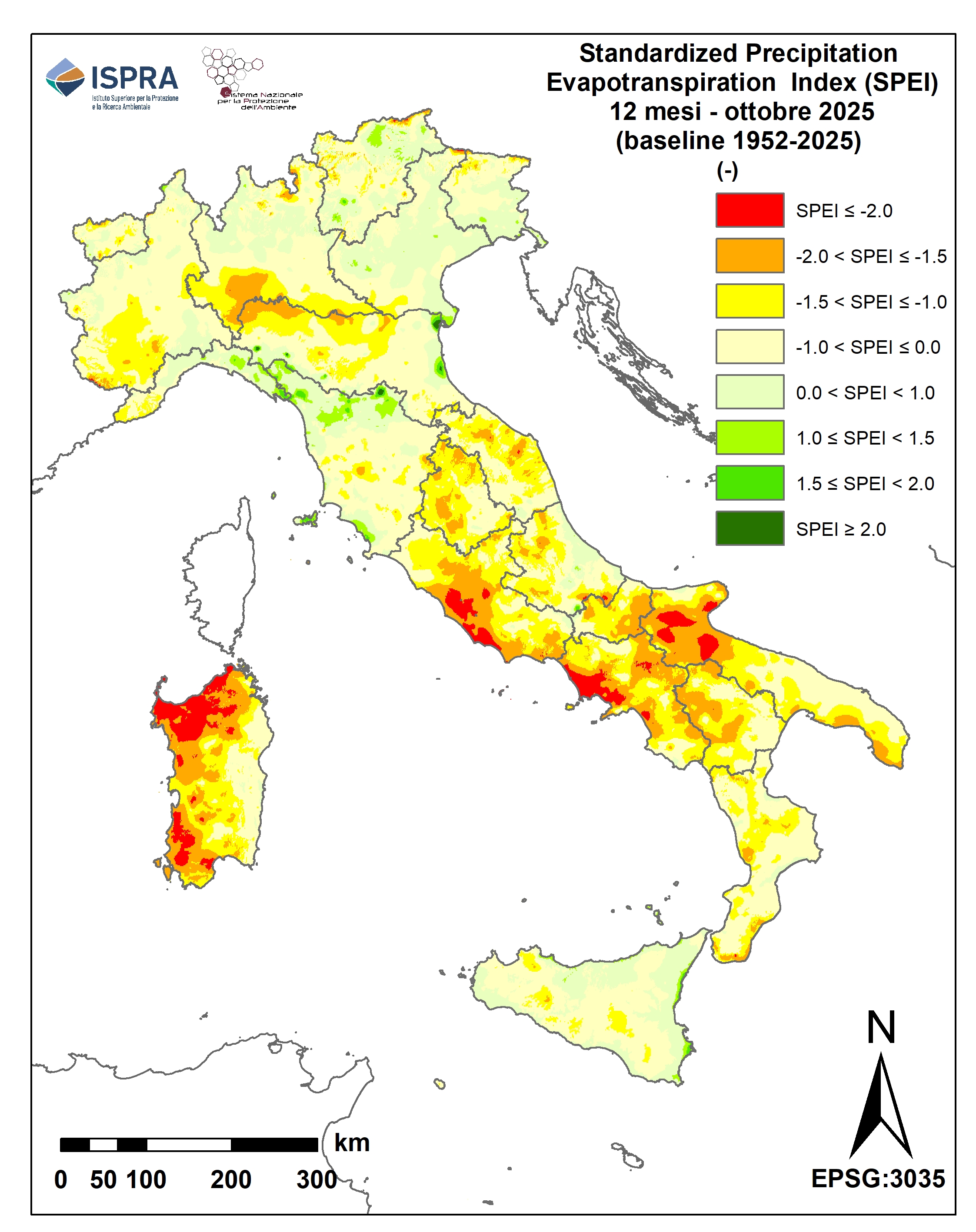
Figure 10: SPEI at 12 months - October 2025 Data source
ISPRA processing on data from regional hydro-meteorological offices and autonomous provinces and historical data from the SIMN suppressed Data legend
|
Thumbnail
Headline
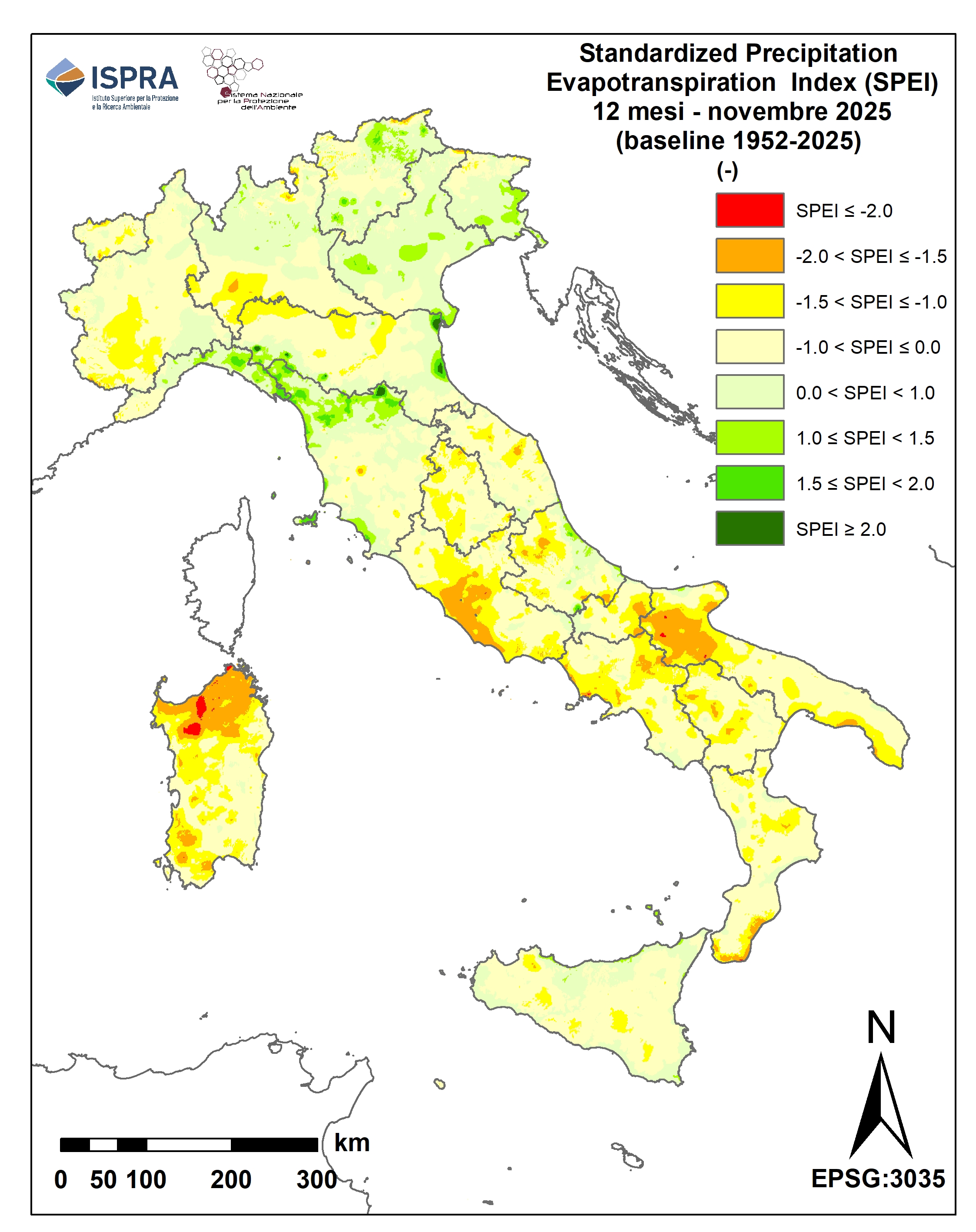
Figure 11: SPEI at 12 months - November 2025 Data source
ISPRA processing on data from regional hydro-meteorological offices and autonomous provinces and historical data from the SIMN suppressed Data legend
|
Thumbnail
Headline
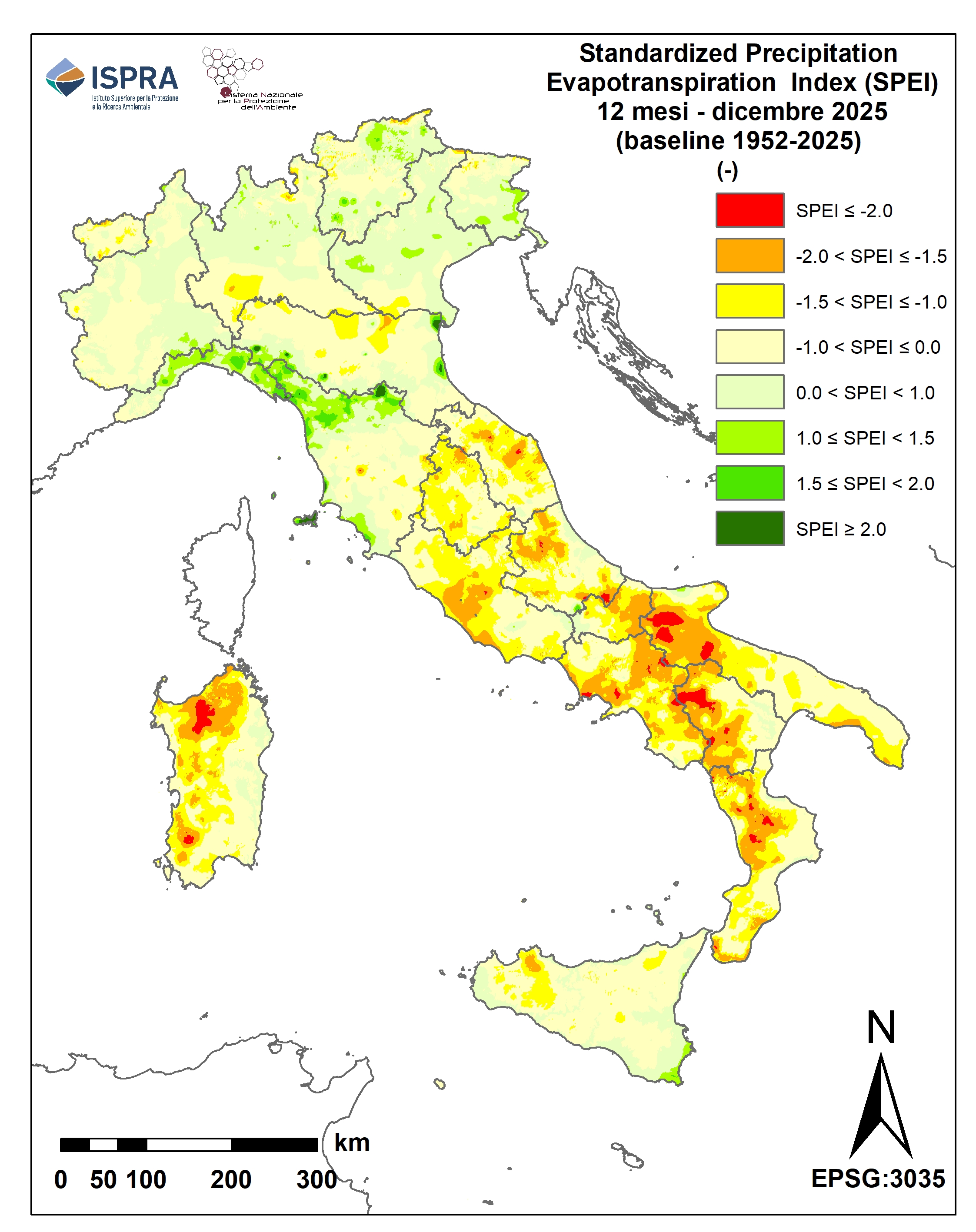
Figure 12: SPEI at 12 months - December 2025 Data source
ISPRA processing on data from regional hydro-meteorological offices and autonomous provinces and historical data from the SIMN suppressed Data legend
|
Thumbnail
Headline
Figure 13: Percentages of national territory subject in 2025 to conditions of extreme drought and severe or moderate drought on a 12-month time scale Data source
ISPRA processing on data from regional hydro-meteorological offices and autonomous provinces and historical data from the SIMN suppressed Data legend
|
In 2025, the 12-month SPEI maps (SPEI12) highlighted conditions of drought, from extreme to moderate, in various areas of Central Italy, the South and the major islands, in particular in the first half of the year, while the North was affected by conditions of humidity, also from extreme to moderate (Figures 1–12). This situation was affected by the climatic conditions of the previous year where there was an excess of precipitation in Northern Italy, while the remaining part of the national territory suffered a significant deficit of precipitation, while in the year in question some areas of the South also recorded a surplus of precipitation which mitigated the deficit of the previous year (see the "Precipitation" indicator present in the environmental theme "Water resources and budget" of the Environmental Indicators Database). Furthermore, in terms of the hydro-climatic balance, the distinction between the North involved in a surplus of precipitation and the rest of the national territory in drought conditions appears more evident, as well as the percentage of areas affected by extreme drought assessed through the SPEI index being greater, compared to that assessed using the SPI (see the "Hydrological drought" indicator present in the environmental theme "Water resources and budget" of the Environmental Indicators Database). This is due to the combined effect of the reduction in precipitation and the increase in the amount of evapotranspiration due to the high temperatures observed.
On the 12-month aggregation scale, the months of January, February and March (Figures 1–3) are those in which a greater extension of the areas in extreme drought was observed (SPEI12 ≤ –2.0) between 8.4% and 4.3% (Figure 13). In the same months, again based on the SPEI index, the percentage of national territory affected by severe to moderate drought (–2.0 < SPEI12 ≤ –1.0) was of the order of 30–32% (Figure 13). On average, on an annual scale, less than 40% of Italy (mainly the South and the major islands) has been affected by drought, from extreme to moderate, due to the combined effect of the reduction in precipitation and the increase in the amount of evapotranspiration. This has resulted in a reduction in the natural availability of renewable water resources in these territories (see the "Internal flow" indicator present in the environmental theme "Water resources and budget" of the environmental indicators database), with consequent socio-economic and environmental impacts.
The drought and water severity conditions which in 2025 affected the national territory in a diverse manner were the subject of continuous monitoring and analysis by the permanent district Observatories for water uses, a body of each District Basin Authority (pursuant to Legislative Decree no. 39/2023). During the year, the Observatories of the hydrographic districts of the Eastern Alps, the Po River and the Northern Apennines saw confirmation of a substantial normal situation, i. e. A non-critical scenario of water severity. On the other hand, the Observatories of the hydrographic districts of the Central Apennines, the Southern Apennines, Sardinia, and above all that of Sicily recorded medium to high water severity conditions ( https://www. isprambiente. gov. it/pre_meteo/idro/SeverIdrica. html/), with the need to adopt appropriate measures and actions governance based on the level of water severity encountered. In some territories (Sicily, areas of Basilicata served by the Basento-Camastra water scheme, and Calabrian areas of the provinces of Reggio Calabria, Crotone and Cosenza), the state of emergency due to serious water deficit has been extended by the Council of Ministers compared to the 2024 resolutions.
For a detailed assessment of the 2025 drought, even for time scales of less than 12 months, please refer to the consultation of the hydrological and/or drought bulletins issued monthly at regional level by the offices responsible for hydro-meteorological monitoring (federated within the National Table for Operational Hydrology Services: https://www. isprambiente. gov. it/pre_meteo/idro/Tavolo_IdrologiaOper. html ), as well as consulting the SPI maps published in the ISPRA Drought Bulletin ( http://www. isprambiente. gov. it/pre_meteo/siccitas/) or to the SPI and SPEI evaluations produced within the BIGBANG ( https://groupware. sinanet. isprambiente. it/bigbang-data/library/bigbang100).